History & Heritage
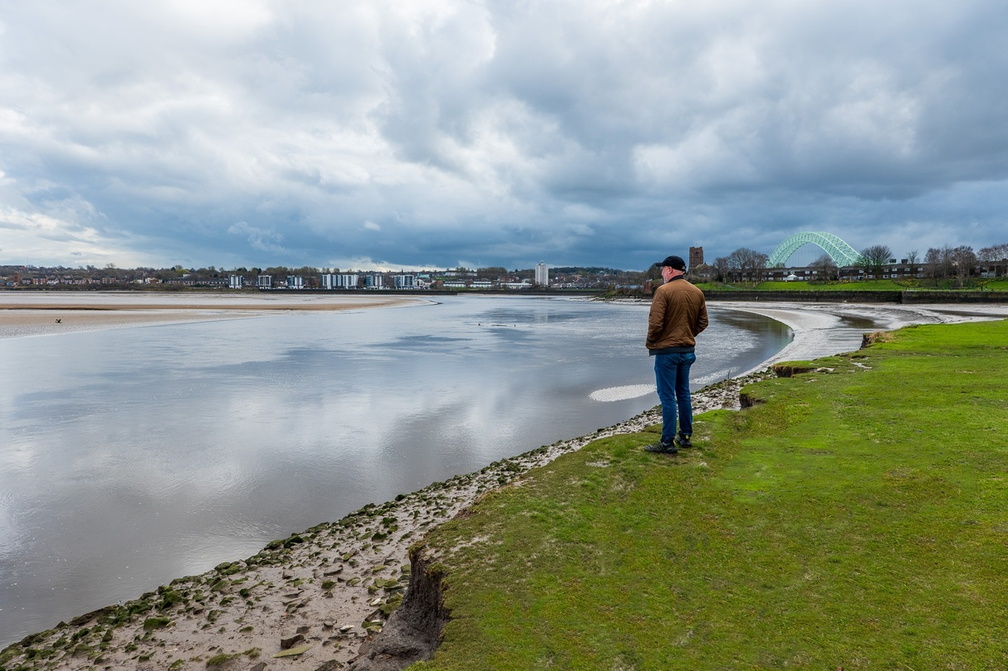
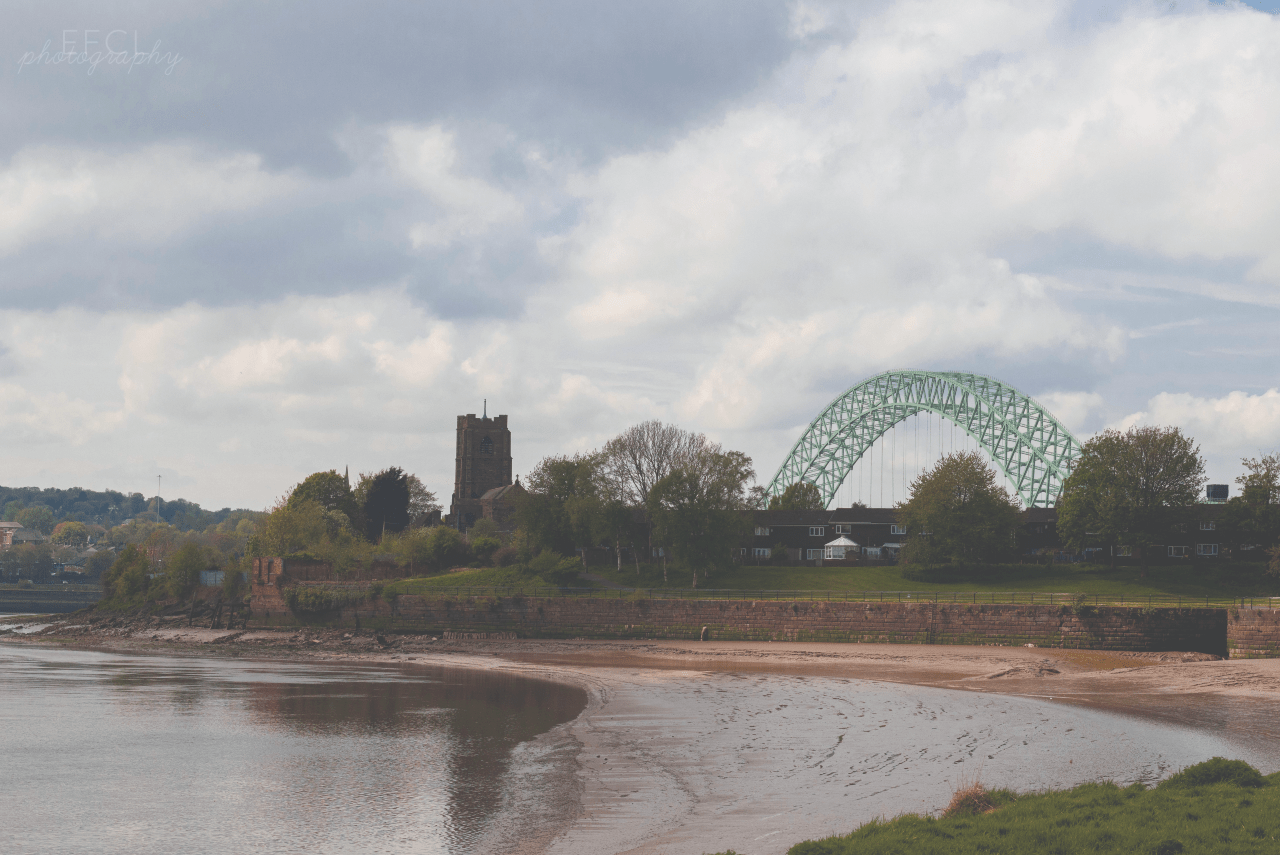
Spike Island is an artificial island and public park in Widnes, Halton, Cheshire, on the north bank of the River Mersey. Once the industrial heart of Britain’s chemical trade, it was created in the 19th century when canals, docks and railways converged there. Heavy industry dominated the island until the mid-20th century; since the 1970s it has been progressively reclaimed, remediated and reshaped into parkland, wetlands and a cultural/heritage destination centred on the Catalyst Science Discovery Centre - A unique interactive museum for all ages.
- Landscape before industry — marsh, meadow and the Mersey
Before the nineteenth century Widnes was a low-lying area of marsh and moorland with a small, scattered population. The physical character of the Mersey estuary — shifting channels, tidal mudflats and riverside meadows — meant the riverside near Widnes was not originally a built-up port in the modern sense. Industrial transformation began when transport infrastructure and chemical manufacturing arrived in the 1800s.
- Making the “island”: canals, dock and rail (1830s)
The name “Spike Island” refers to the man-made parcel of land formed when the Sankey Canal was extended to the Mersey in 1833. That extension effectively cut off a portion of Widnes from the mainland and created the islandic area between the new canal and the river. In the same period Widnes Dock was built (1833) and promoted a new model of intermodal transport — the rapid transfer of goods between rail and ship — helping to attract industrial investment. The canal, dock and the arrival of railway links made Spike Island a natural hub for heavy industry and for the import/export of raw materials used in chemical manufacture.
Key facts (transport & date)
- Sankey Canal extension to the Mersey: 1833 (created the artificial island).
- Widnes Dock opened/operated from the 1830s and helped establish the rail-to-ship connection that transformed the locality.
- Birth and boom of the chemical industry (mid-1800s → early 20thC)

John Hutchinson
Spike Island became the cradle of Widnes’s chemical town. In 1848 John Hutchinson established one of the first chemical works on the island — his factory and associated offices formed the seed around which other alkali and chemical works clustered. The availability of river transport, the canal, coal and rail made the island ideal for large-scale manufacture of alkali, acids and bleaching agents; factories and associated rail sidings, wharves and waste dumps rapidly populated the island and its surrounds. Over the late nineteenth and into the twentieth century Widnes became one of the major centres of Britain’s chemical industry, with many small and large firms, including later consolidations such as the United Alkali Company.
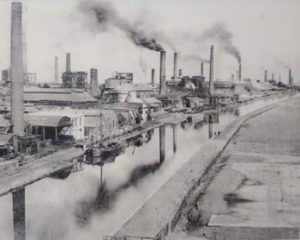
Spike Island 1900
Industrial processes & structures:
- Early chemical works used processes such as the Leblanc method for alkali and the burning of pyrites to make sulphuric acid. Surviving relics such as pyrites kilns at Spike Island recall these now-vanished processes. These furnaces and kilns were not only industrial features but also sources of severe local pollution.
- Life on and around Spike Island — workforce, immigration and community
The rapid growth of industry brought waves of labour migration to Widnes. Workers came from Ireland and from parts of northern and eastern Europe; housing and social infrastructure in the town expanded in step with the factories. Working conditions were often hard and unhealthy — the chemical processes produced fumes, acidic waste and contaminated land — and Widnes experienced many of the social consequences typical of the early industrial towns: overcrowding, poor sanitation (improved gradually in the 20th century) and later, public health and housing reforms.
- Environmental legacy and the end of heavy production
By the mid-20th century many of the older chemical works had closed or modernised; technological change and consolidation in the industry reduced the number of small, heavily polluting plants. By the 1970s there were few working chemical factories left on Spike Island itself. The legacy of almost 150 years of chemical manufacture was extensive contamination: spoil heaps, chemical waste tipping sites, derelict structures and riverbank damage. From around 1975 onwards Halton Borough Council and other bodies undertook significant reclamation and remediation projects to clean up the island, remove waste tips, stabilize soils and restore public access. This process gradually converted the formerly industrial landscape into parkland, wetlands and recreation space.
- Reclamation works, preservation of heritage and new uses
The clean-up and landscaping projects paid attention to both ecology and heritage:
- Ecology & recreation: wetlands, woodland planting, footpaths and cycleways were created; the former towpath of the Sankey Canal became a walking/cycling route forming part of wider trail networks. The site was re-imagined as an urban green space with opportunities for wildlife and informal recreation.
- Heritage: Some industrial remains were preserved and interpreted — for example, the restoration and display of pyrites kilns and other relics that help tell the story of early chemical manufacture on the island. The former administrative building of John Hutchinson became the Catalyst Science Discovery Centre (a museum dedicated to the chemical industry and science), linking Spike Island’s industrial past to education and tourism.
- The Catalyst and community interpretation
The Catalyst (often called the Catalyst Science Discovery Centre & Museum) occupies Hutchinson’s former administrative building and provides exhibits on the local chemical industry, the industrial revolution, scientific principles and industrial heritage. It has become the primary visitor-facing institution that interprets Spike Island’s complex past for residents and visitors alike. The museum’s existence is a direct link between the island’s industrial roots and its modern civic role.
- Spike Island in popular culture — the Stone Roses concert (1990)
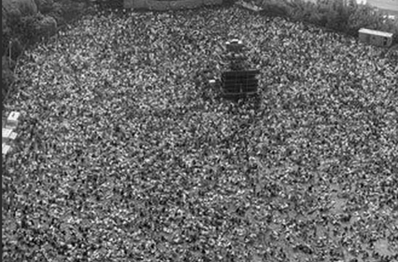
Stone Roses at Spike Island
Spike Island achieved national cultural fame in May 1990 when the Manchester band The Stone Roses staged an outdoor concert there.
The event attracted around 30,000 people and — despite chaotic logistics and warnings about high tides and crowd management — became mythologised as a defining moment for a generation and for the “Madchester” cultural scene. The concert’s fame helped put Spike Island on the modern cultural map (books, documentaries and retrospectives have revisited the event repeatedly).
9.Contemporary Spike Island — park, wildlife and leisure
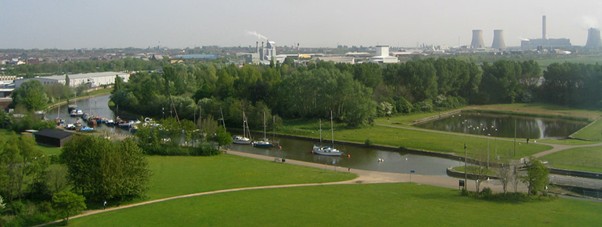
Today Spike Island is an accessible green space with:
- riverside promenades and viewpoints over the Mersey;
- woodland and wetland habitats supporting birds, invertebrates and wild plants;
- walking and cycle routes that link to the Sankey Canal towpath and wider regional trails;
- boat moorings and occasional community events.
It functions as both a local amenity and as part of Halton’s regeneration story — turning a polluted industrial zone into an environmental and heritage asset.
- Heritage, archaeology and ongoing projects
Halton Borough Council and local heritage groups have continued to emphasize conservation, interpretation and the possibility of improved river access (projects to restore slipways have been discussed). Community archaeology, local history societies and museum programs help preserve the oral and material history of the island’s industrial era. The story of Spike Island is therefore still evolving — balancing nature recovery, commemoration of industrial heritage and local leisure use.
- Why Spike Island matters
- Industrial birthplace: It was central to Widnes becoming one of Britain’s major chemical towns. The canal-dock-rail nexus created a new industrial geography.
- Environmental turnaround: It illustrates late-20th century efforts to reclaim and remediate heavily polluted industrial land into public green space and wildlife habitat.
- Cultural resonance: Beyond industry, Spike Island entered popular memory through high-profile cultural events (notably the Stone Roses concert), and today it combines natural, historical and cultural attractions — symbolised by the Catalyst museum beside the park.
Timeline of Spike Island
Pre-1800s
- Widnes is a small rural settlement on the marshy banks of the River Mersey.
1833
- Extension of the Sankey Canal to the River Mersey creates the artificial island.
- Widnes Dock opens — the world’s first rail-to-ship dock — sparking rapid industrialisation.
1847–1848
- John Hutchinson establishes a chemical works and office buildings on Spike Island, marking the beginning of Widnes’s chemical town identity.
Late 1800s
- Dozens of chemical factories cluster on and around Spike Island; pyrites kilns and waste tips dominate the landscape.
- Widnes becomes one of Britain’s chemical powerhouses.
Early 1900s
- Expansion slows; processes modernise; United Alkali and other companies consolidate smaller works.
Mid-20th century
- Older factories close; dereliction and waste dumps scar the island.
1975 onwards
- Large-scale reclamation projects transform the polluted land into parkland, wetlands and footpaths
1982
- Hutchinson’s former building reopens as the Catalyst Science Discovery Centre.
1990
- The Stone Roses’ Spike Island gig draws ~30,000 fans, cementing the island in popular culture.
2000s–today
- Spike Island is a major public park, with heritage interpretation, wildlife habitats, cycle routes and the Catalyst museum.
Walking Guide: Spike Island Today
If you visit, here’s a self-guided route linking key points of interest:
- Start at Catalyst Museum — learn the story of Hutchinson’s works and the chemical town.
- Walk the Sankey Canal towpath — follow the historic canal that made the island possible.
- Pyrites kilns — view preserved remains of the kilns used in 19th-century sulphuric acid production.
- Widnes Dock site — interpretive boards explain the first rail-to-ship dock in the world.
- Riverside promenade — enjoy open views across the River Mersey, once crowded with ships and barges.
- Wetland & woodland zones — areas reclaimed for wildlife; look out for wading birds.
- Concert field — the open parkland where the Stone Roses played in 1990; now a space for leisure and events.
- Return to Catalyst — finish with the rooftop observatory, offering panoramic views of the Mersey estuary.
Spike island is also part of the trans Pennine trail (TPT), therefor if you are an avid walker you can continue your walk further down the trail. To see their full trail follow the link below https://www.transpenninetrail.org.uk .